Second-fix Carpentry and the Finishing Package
Second-fix carpentry brings together ordinary internal doors, skirtings, architraves and agreed timber mouldings once the earlier construction is ready. A useful package identifies rooms, openings, profiles and quantities instead of describing everything as finishing. Timber cornices or curtain-box details can be included where specified; plaster features need their own trade scope.
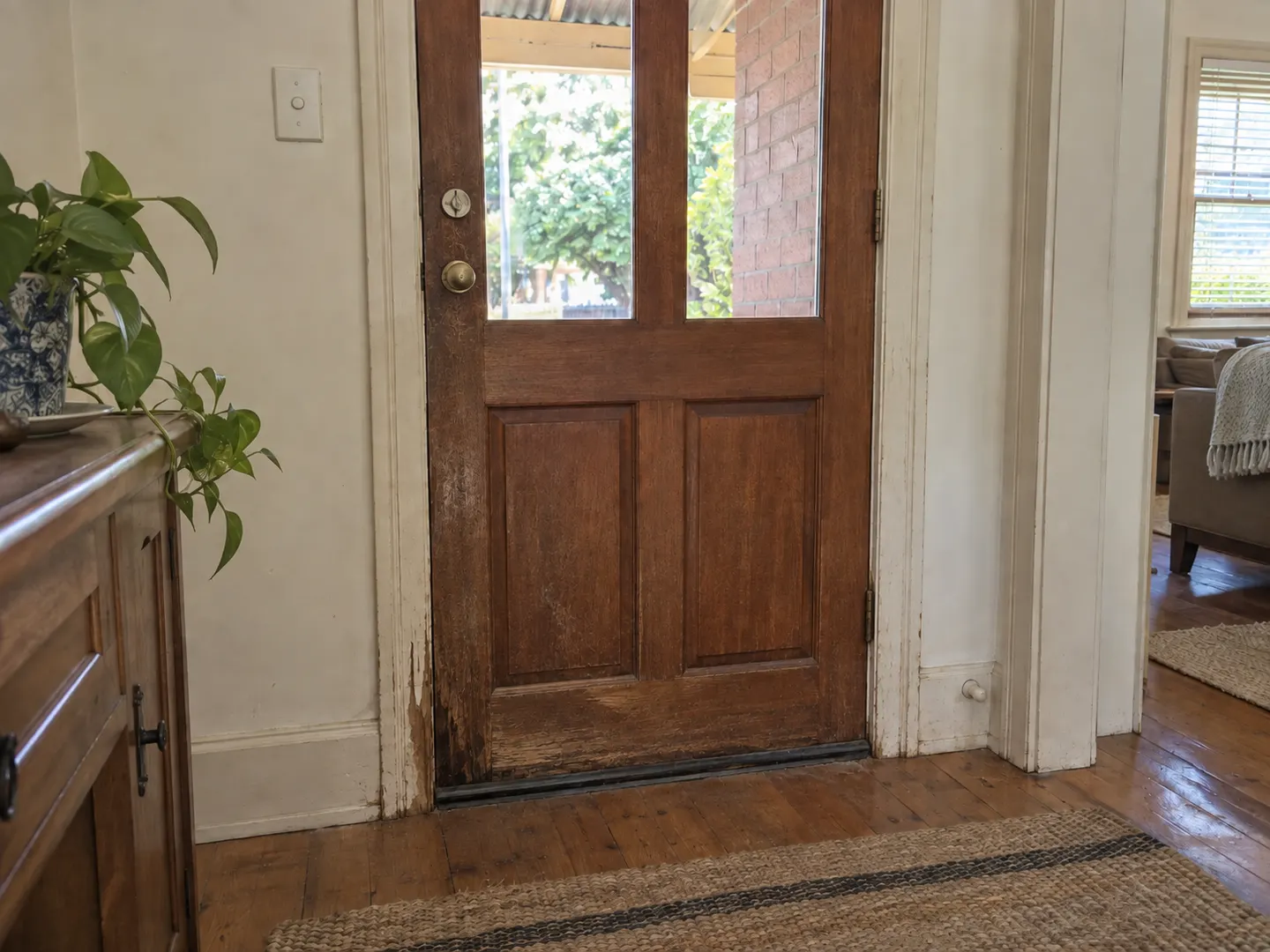
For a single damaged skirting length or split jamb, a focused repair can be more useful than a whole-room package. Existing stairs also need their purpose considered: a loose decorative trim is different from a moving tread, handrail or barrier. Structural and safety-related stair work needs the relevant assessment and confirmed scope before it is included.
Door and Trim Fit-off: Reveals, Corners and Floor Junctions
The finished floor level, wall thickness and door position determine how the trim meets the room. MEL ONE measures the opening and adjoining junctions before agreeing jamb depth, architrave width, skirting height and corner details. Changed flooring or uneven walls can require different cutting and finishing allowances from those shown on an early plan.
Review visible profiles together, especially at stairs, cabinetry and adjacent openings. A short sample or sound reference length helps explain the intended match when new trim meets old painted material. Confirm any wall correction, filler, caulking or paint work separately so a neat carpentry junction is not confused with a fully finished room.
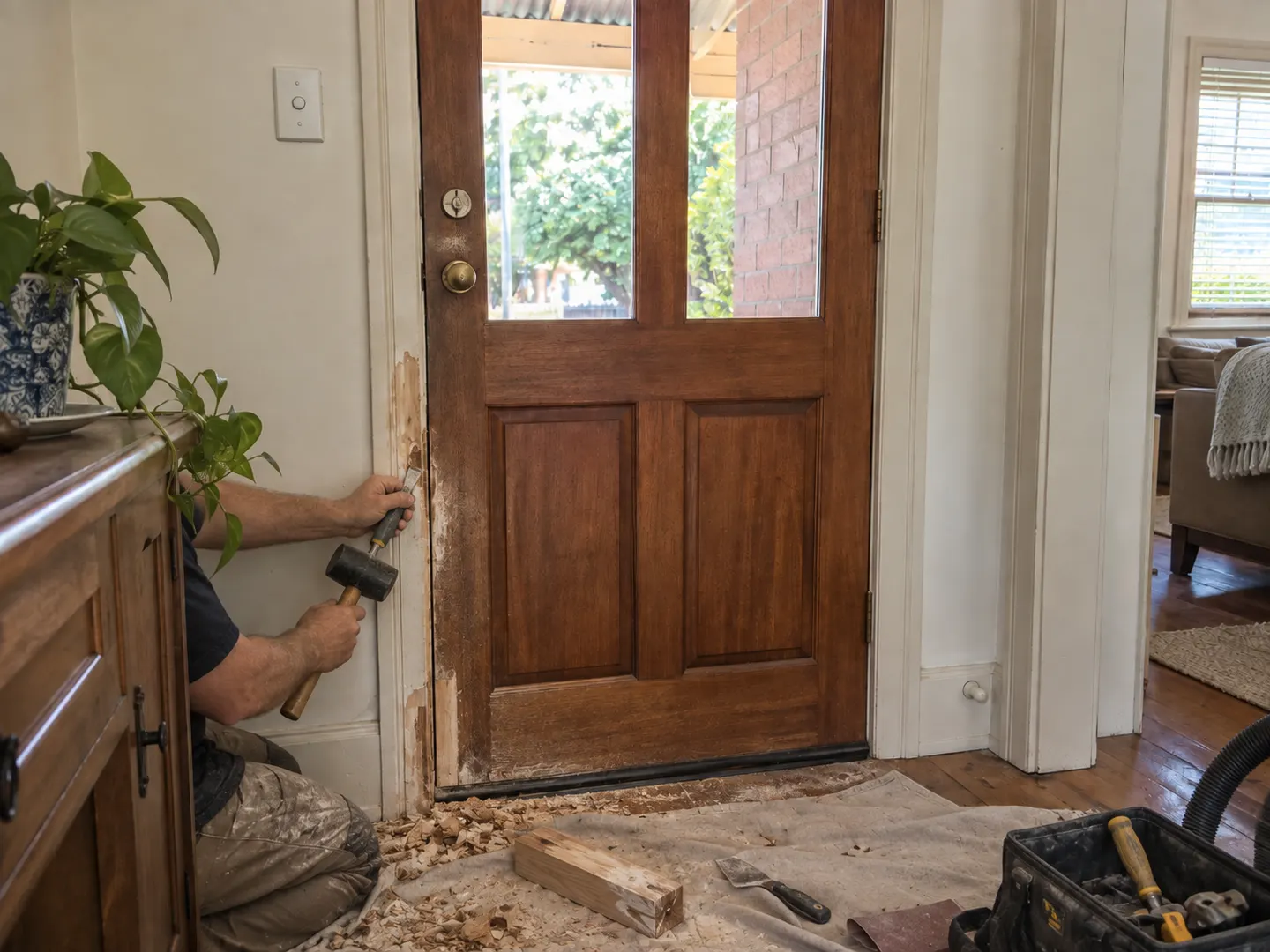
Repair, replace or install skirting boards · Match architraves and repair door jambs
Door Leaves, Hinges and Hardware Operation
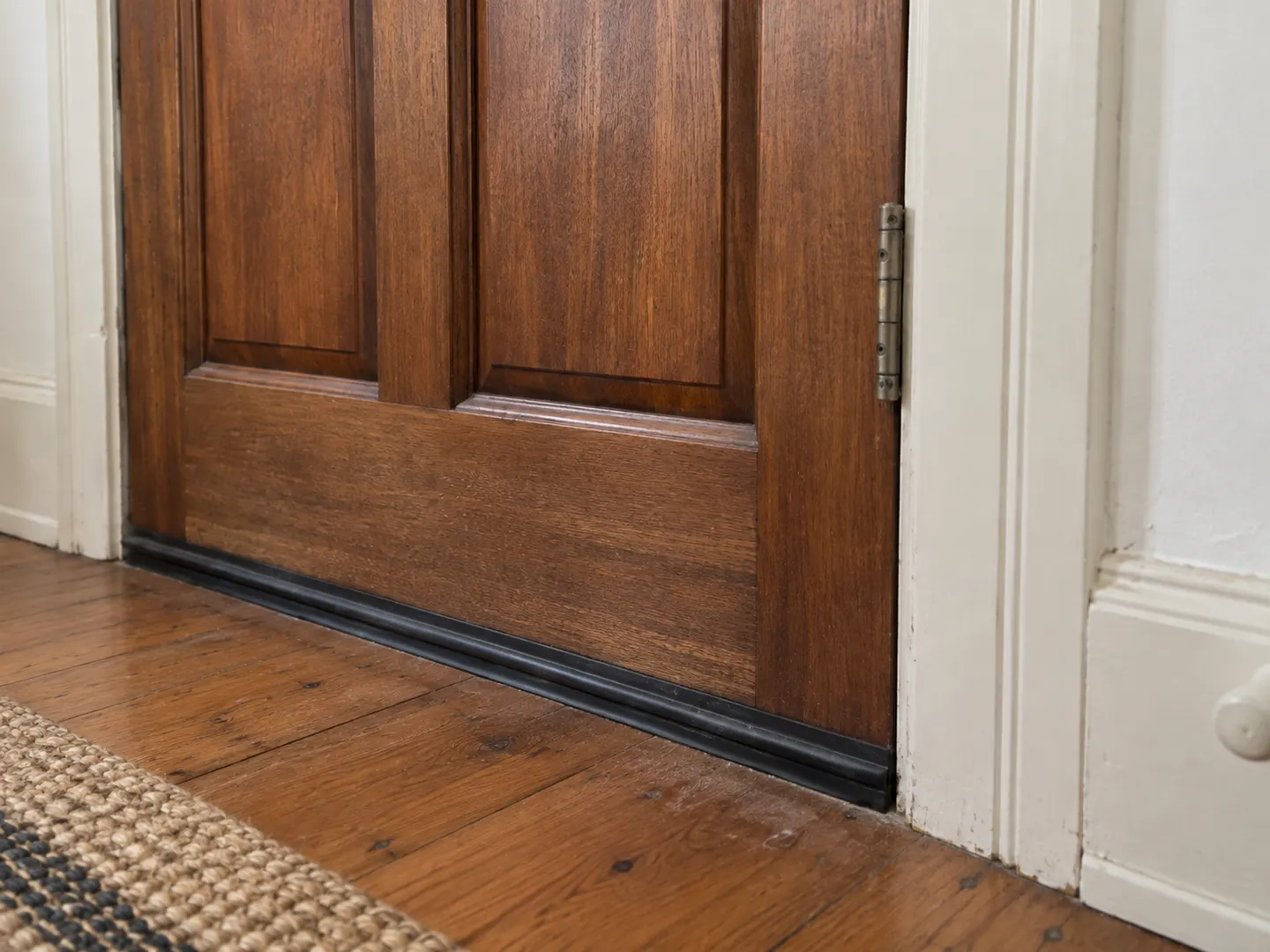
An ordinary internal door needs the right swing, clearances, hinges and latch arrangement as well as an even visible gap. Check the floor finish, nearby cabinetry and the hardware to be supplied before hanging or final adjustment. Where an existing leaf will be reused, assess its condition and fit rather than assuming the old dimensions suit a changed opening.
Fire, acoustic, security or accessibility requirements need specified products and identified professional responsibilities. Ordinary door fitting does not establish the performance of a specialist system. Existing windows, cavity sliders and damaged timber openings can be assessed through the relevant repair service when operation is the main concern.
Second-fix Scheduling Around Other Trades
Linings, moisture conditions, openings and final floor levels need to be sufficiently settled before trim is measured and fixed. Starting while those conditions are still changing can leave incorrect clearances or cause repeat work. Agree room readiness, deliveries and protection with the builder or site contact before booking the finishing stage.
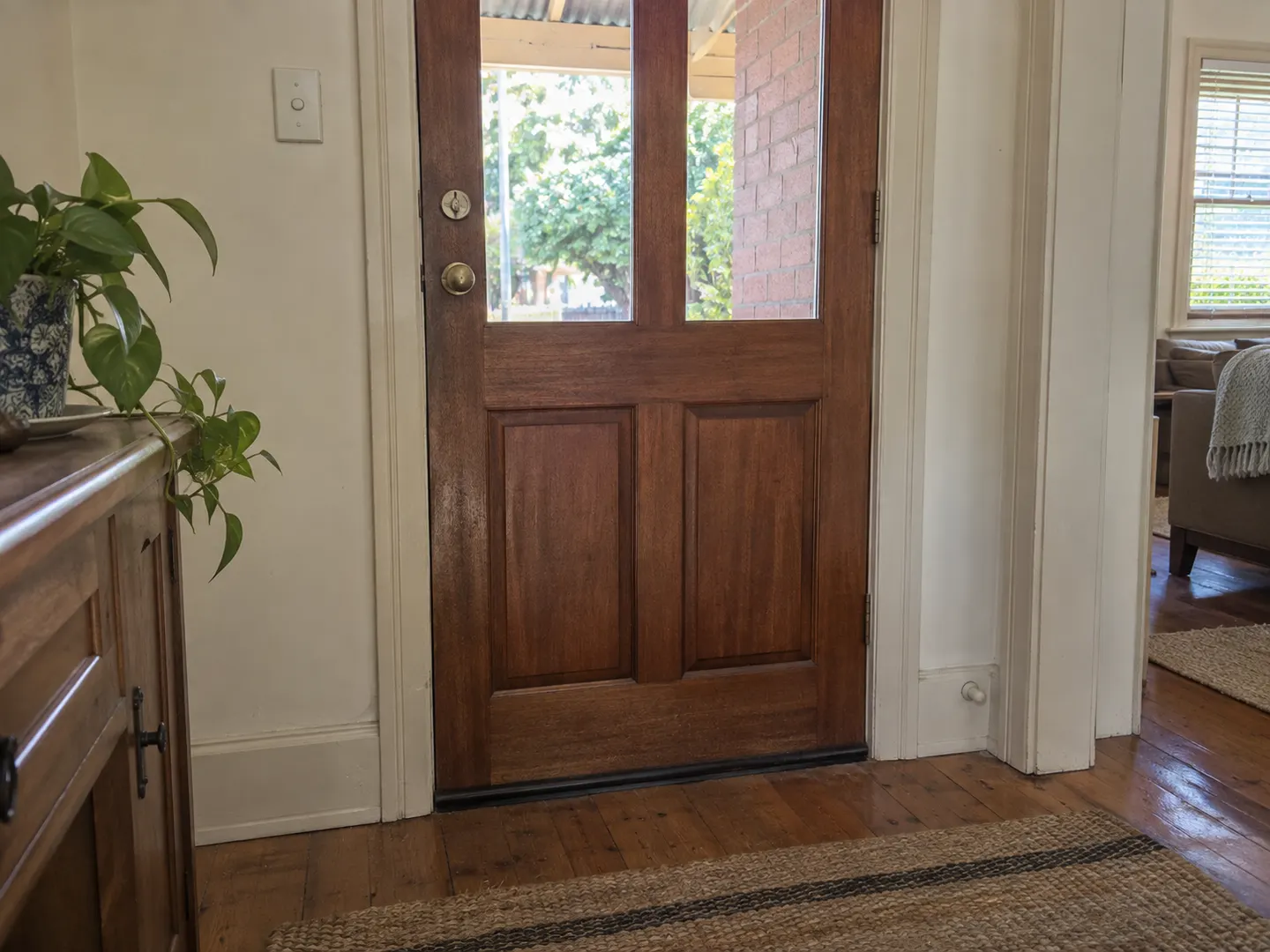
Sequence the carpentry with flooring, painting, glazing and cabinetry, including who fills fixing holes, caulks junctions and applies the final coating. Occupied homes may need a room-by-room plan with usable routes kept available. The completion review should cover door operation, alignment, mitres, visible fixing points and any remaining work assigned to another trade.
Second-fix Quote Inclusions and Local Repair Options
We agree the doors, hardware, trim profiles and quantities by room or opening before quoting. We discuss removal, installation and preparation, with filling, caulking and painting identified separately. Specialist door systems and structural stair work require their own specified scope; a single damaged trim can be quoted as a local repair.
Count doors, hardware sets, trim lengths and corners against the same room schedule when comparing prices. Floor or wall changes can affect cutting and preparation, so agree revised allowances before fitting. At completion, review door operation, trim junctions and the preparation left for the painter.
Door Fitting, Trim Repairs and Painting Questions
When should second-fix carpentry be booked?
Book the finishing stage around sufficiently ready linings, settled floor levels and suitable moisture conditions. Door clearances and trim junctions can change if flooring or wall work is still unresolved. Agree room access, material deliveries, protection and the sequence with painting and cabinetry before installation is scheduled.
Do I need a full second-fix package for one damaged skirting?
A local skirting or architrave repair can be scoped separately when only a few pieces are damaged. Match the profile, fixing base and floor junction before choosing repair or replacement. Use the skirting-board or door-jamb service for that focused task, and request a coordinated second-fix package where several doors and room finishes need fitting together.
Does second fix include painting or specialist doors?
Filling, caulking, painting and specialist fire, acoustic or security door systems need explicit scope and responsible trades. Ordinary door carpentry does not establish a rated system's performance. Existing stair or handrail movement also needs assessment of its safety role; do not treat it as decorative trim without confirming the responsible scope.